
What is OOH advertising and why the internet didn't replace it
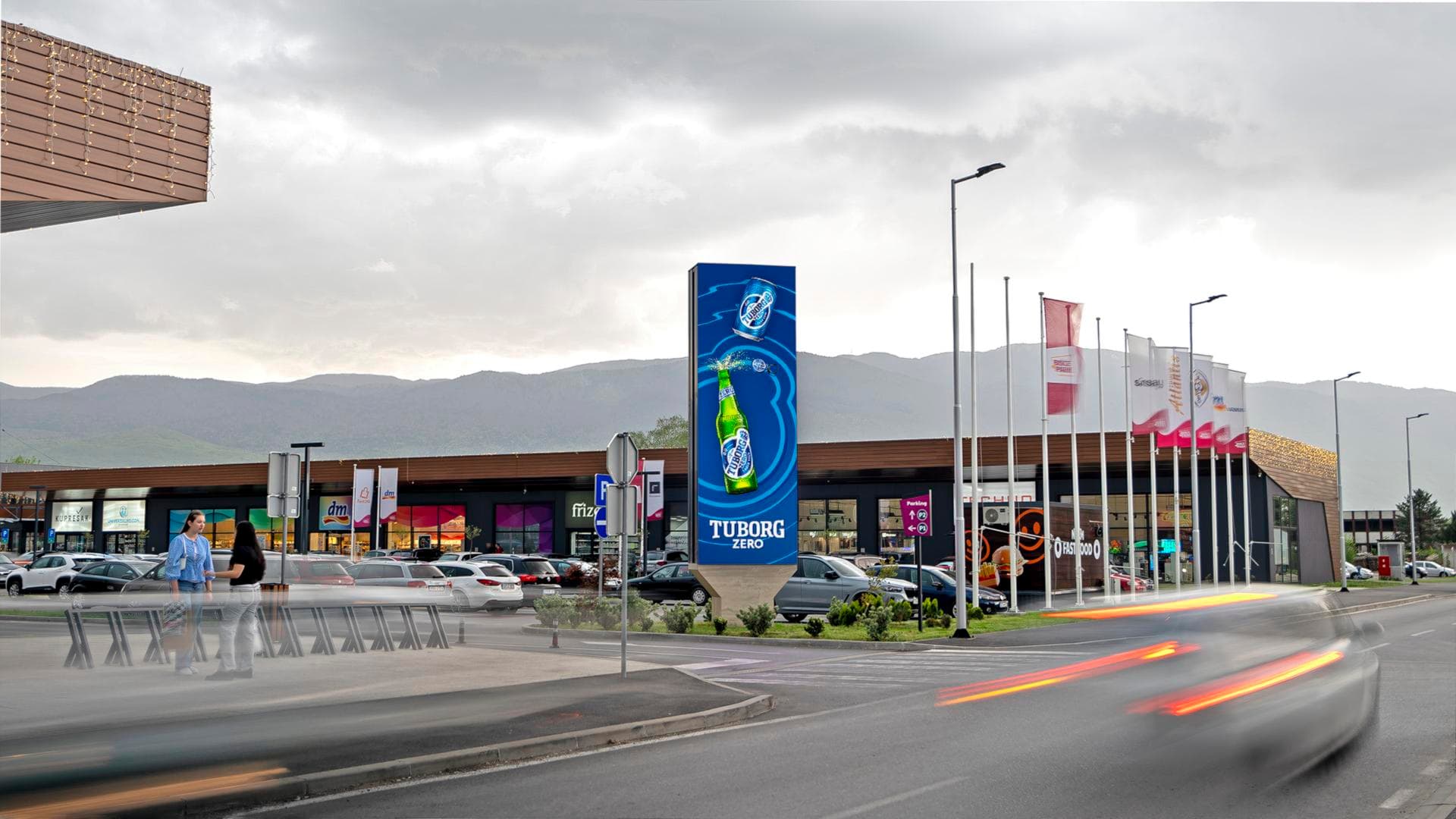
OOH (out-of-home) is any advertising that meets people outside their home: billboards along roads, city light showcases at bus stops, megaboards and wallscape canvases on facades, LED displays on squares. It is the oldest advertising channel in the world — and despite every prediction, the digital age has amplified it rather than pushed it aside.
Why OOH works even in the smartphone era
- It cannot be skipped — there is no "skip ad" button, no ad-blocker, no scrolling past. The message gets seen.
- It does not fight for attention in a feed — a billboard is often the only message in the field of view, while an online ad competes with hundreds of others.
- It reaches people on the move — on the way to work, shopping or going out: exactly when they are close to a purchase decision.
- It builds trust — a publicly displayed message on a large surface carries credibility a small banner does not; research consistently measures the highest ad recall for OOH among media channels.
How it used to work — and how it works today
Until recently, renting a billboard meant calling several providers, requesting location lists, waiting for quotes in Excel and comparing them by hand. Our platform was built precisely to change that — client and provider meet in one place. Every location is on an interactive map with photos, dimensions and public prices; you assemble the campaign with clicks, the price is calculated automatically, and you send the booking online. If you are just exploring, start from the city overview or let automatic campaign creation suggest locations to match your budget.